
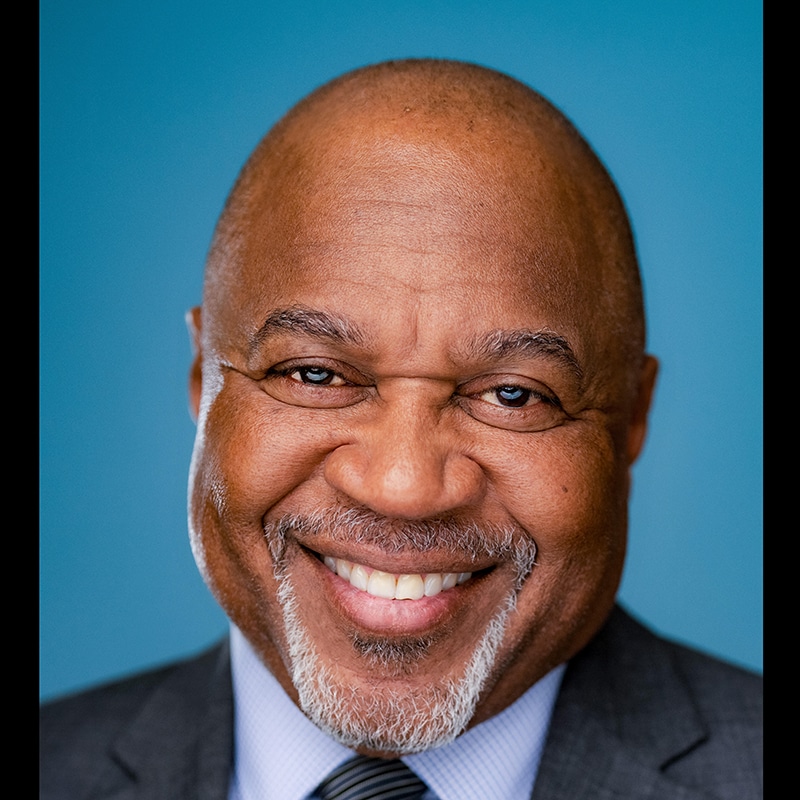
“Because a lot of times I think we as actors go into the room thinking that, you know, it’s a trap, it’s a trap. And I think if you go into the room thinking they want me to do good, they want you to do good, they want you to have a good audition. And I think that’s the mindset that you have to make for yourself is you have to go and own in the room and taking it on and knowing that these people want you to be good because they want to be able to go, this is our guy. And I think if you, you go in with that mindset and it’s hard, it’s hard because we’re humans and we, we all those negative things that go on in our head. But, and it takes a while, but if you can go on with that particular objective that you own the room and these people want you to be good.”
~David Reivers
My guest today, the actor David Reivers has had a career spanning 40 years in theatre, film, and TV.
He’s best known for various TV roles in shows like Charmed, Felicity, Drake and Josh, The Disney Channel’s Jump In, and recently in season one of The Pitt.
Film roles include Malcolm X, After the Sunset, Circle, Poseidon, and most recently, The Accountant 2.
You may have also seen David from his appearances in over 200 commercials.
For the record, David played the voice of Lucky, in the movie called Lucky that I directed and co-produced. He suavely and coolly played an evil little dog that haunts the twisted mind of animation writer Millard Mudd, who was played by a favorite StoryBeat guest, and the movie’s co-producer, Michael Emanuel. Without David’s unique and spot-on voicing of Lucky, the movie wouldn’t have turned out as amazingly well.
David is the father of four children, three incredibly wonderful daughters, and stage and screen star, Corbin Bleu.
IF YOU LIKE THIS EPISODE, YOU MIGHT ALSO ENJOY:
- Ryan Raddatz, Actor-TV Writer-Producer-Episode #310
- Patrick Oliver Jones, Actor-Singer-Podcaster-Episode #307
- Madolyn Smith Osborne, Actress-Episode #300
- Michelle Danner, Actor-Director-Episode #285
- Thaao Penghlis, Actor-Author-Greek Historian-Episode #283
- Joe Coyle, Actor-Writer-Episode #274
- Ron Destro, Writer-Actor-Director-Teacher-Episode #270
- Skip Lackey, Actor-Writer-Director-Producer-Episode #265
- Callum Woodhouse, Stage and Screen Actor-Episode #255
- John Shepard, Actor-Director-Teacher-Author-Episode #254
- Melanie Zanetti, Actress-Episode #253
- Dakin Matthews, Actor-Playwright-Director-Teacher-Episode #233
- Apollo Dukakis, Actor-Director-Episode #213
- Billy Hartung, Actor-Singer-Dancer-Educator-Episode #205
- Frank Ferrante, Actor-Director-Producer-Episode #196
- Robert Cuccioli, Actor, Singer, Director-Episode #188
- Cary Elwes, Legendary Actor and Best Selling Author-Episode #187
- Jason Graae, Stage and Screen Actor-Episode #147
- Michael Dorn, Actor-Director-Star Trek: The Next Generation-Episode #144
- Bryan Cranston, Legendary Actor-Producer-Writer-Director-Episode #132
- Melody Thomas Scott, Legendary Actress-Nikki Newman on The Young and the Restless-Episode-#126
Steve Cuden: On today’s Story Beat
David Reivers: Because a lot of times I think we as actors go into the room thinking that, you know, it’s a trap, it’s a trap. And I think if you go into the room thinking they want me to do good, they want you to do good, they want you to have a good audition. And I think that’s the mindset that you have to make for yourself is you have to go and own in the room and taking it on and knowing that these people want you to be good because they want to be able to go, this is our guy. And I think if you, you go in with that mindset and it’s hard, it’s hard because we’re humans and we, we all those negative things that go on in our head. But, and it takes a while, but if you can go on with that particular objective that you own the room and these people want you to be good.
Announcer: This is Story Beat with Steve Cuden. A podcast for the creative mind. Story Beat explores how masters of creativity develop and produce brilliant works that people everywhere love and admire. So join us as we discover how talented creators find success in the worlds of imagination and entertainment. Here now is your host, Steve Cuden.
Steve Cuden: Thanks for joining us on Story Beat. We’re coming to you from the Steel City, Pittsburgh, Pennsylvania. Well, my guest today, the actor David Rivers has had a career spanning 40 years in theater, film and TV. He’s best known for various TV roles in shows like Charmed, Felicity Drake and Josh, the Disney Channel’s Jump in, and recently in season one of the Pit. Film roles include Malcolm X, after the Sunset Circle, Poseidon, and Most recently the accountant 2. You may have also seen David from his appearances in over 200 commercials. For the record, David played the voice of Lucky in the movie called Lucky that I directed and co produced. He suavely and coolly played an evil little dog that haunts the twisted mind of animation writer Millard Mudd, who was played by a favorite Story Beat guest, the movie’s co producer, Michael Emanuel. Without David’s unique and spot on voicing of Lucky, the movie would not have turned out as fantastically well. David is the father of four children, three incredibly wonderful daughters, and stage and screen star Corbin Blue. So for all those reasons and many more, it’s a great joy for me to welcome the very talented actor David Rivers to Story Beat today. David, welcome to the show.
David Reivers: Well, thank you, Steve. That’s, that’s quite an introduction. I don’t think I’ve ever had that welcoming introduction that you, you Just have for me. And that’s so. I appreciate that. Thank you.
Steve Cuden: Well, well earned, well deserved. And I’m so thrilled to have you on because it’s, uh, been a while since we’ve seen one another. And, uh, uh, you were a very vital part of one of my favorite projects, which is Lucky, which was a very difficult project. We’ll talk about Lucky in a little bit. So let’s go back in time. Uh, at what age were you when the bug to perform bit you? When did you start to think about acting?
David Reivers: Interesting. So it wasn’t until later on. I was. I was in high school. I was more of a jock. I played football. Ranch Roc. Yeah, I had theater at my high school. I went to, uh, a high school in Brooklyn called Abraham Lincoln High School. Lots of famous people went there. But it really wasn’t until I got to college. Where A, uh, small community college in Brooklyn called Kingsburg Community College. I started as a theater. I started out as a business major. And I was bored. Off board, just bored. And somehow I found my way over to the theater. Theater department, probably by the women that were in there is probably what I would think what drew me. But then I started taking classes and I found out, wow, this is great. I love the art. I love the art of theater. And that’s where I caught the bug at this small community college in Brooklyn.
Steve Cuden: So it didn’t happen when you were a little. Little, uh, kid. Uh, you were actually an adult basically at the time when you first realized it was something that interested you?
David Reivers: Yes, I was around 19, uh, years old, I think, is when it. When it came to me. Yeah.
Steve Cuden: Ah, I was gonna say, who at that time did you look toward as, um, a role model? That somebody. You thought, here’s an actor. I would like to have a career like, or be like.
David Reivers: I didn’t really think of it that way. Interestingly enough, there wasn’t. There wasn’t a. I was just really more taken in by the art of being. The funness of being on stage and being able to create being on stage. It was more later on, um, once I started that, you know. You know, when I kind of started my career where I started to look towards different people, like, you know, Denzel Washington or I fell in love with, like, all the. All the gangster movies, the Godfather movies, you know, so those were the type of things that I was drawn to later on. I mean, I love. I love theater. I saw so many. So many different plays. Being that I lived in New York, I started going to the theater. In New York, when I was younger, you know, I saw plays like Joe Turner’s Coming Gone, um, Piano Lesson. You know, those type of things were what was really interesting me. Interesting to me at that time. I never got to do any of those shows. But those are the things that sort of interest me earlier on in my career.
Steve Cuden: Well, there’s nothing stopping you from doing them now. If you ever were offered or had an opportunity. There’s nothing stopping you from doing this.
David Reivers: There’s some truth in that. There’s some truth in that. And who knows? I’m going to be 64 this year. I have thought about the opportunity of going back and doing some theater, um, because there’s probably really good, richer roles to do even now at my age. So it’s definitely a thought. I still love doing film and tv, you know, because it just. It gives me the freedom to do. Do other things. And. And now that my kids are grown, I think I have. I can do whatever I want. I’ve thought about it. I definitely thought about it. Um, and we’ll see. Maybe you’ll see me on a stage someplace near you. Who knows?
Steve Cuden: And by the way you brought up, uh, you know, in Pittsburgh, we’re all very proud of August Wilson. I think he is the shakespeare of the 20th century. Uh, and so we’re all very proud of the work that he did. And I think you’d be fantastic in any number of those plays, because there are parts you could absolutely play, no question. Um, uh, and they’re very rich. They’re extraordinarily rich parts for actors. When you were in school, did you start taking acting classes? Did you train?
David Reivers: Yes, I did. My main professor that I had, um, at Kingsborough, his name was Professor Aptikar. And Aptikar said to me, if you want to work in this business, you better clean up your addiction. And I really worked hard over the next couple of years of really getting my tongue to work a lot better and really just speaking clearer. You know, growing up in Brooklyn, you know, you have that lazy sort of way of talking. And I wasn’t. Even though I wasn’t born in this country, I was born in Jamaica. And I moved to. Moved to, uh, Brooklyn when I was 10 years old. So there was. I had that little Jamaican accent a little bit. Um, and then, because I was 10, I acquired an American type of accident. But, um. But the great part about me clearing up my addiction is that it helped to, like, not be from a specific place. You know, I was. I was very sort of like, American but not like American, from, um, a specific city like New York or Chicago. That helped me to have the commercial career that I’ve had. You know, that’s what they wanted. Commercial. They want. They. They want to. They want to type, but they don’t want you to know that you’re specific to a certain region of the country.
Steve Cuden: They want you to be from anywhere, unless the character that you’re portraying is from a very specific place.
David Reivers: That’s correct. That’s correct. And so I. I fell into doing commercials in, like, the late 80s. Uh, after college, I started auditioning for plays in New York, and. And then I was doing workshops with. Trying to meet different, you know, uh, agents and cast and directors and an agent with Abrams, artist by the name of Tracy Goldblum. I did a workshop with her, and Tracy came up to me after and said, I was in my. I was in my 20s. I was in my 20s at that point. She said, you know, I think you could. I think you could do well in TV commercials. I’m like, really? I’m like, yeah, I think so. She signed me, and, uh, that was history because of everything that I’ve done. I’ve done lots of things in my career, theater, film, but I’ve been. I’ve had a really successful commercial career that’s able. That was giving me the opportunity not only to move out to California, but also take care of my family.
Steve Cuden: So at what point do you. If you have. If you can recall, um, did you think to yourself, I not only like this, but I am good enough to make a career out of it? Was there a moment for you when it was like the light bulb went off? This is something I can actually do and make a living at.
David Reivers: For me, I just knew that I liked it. I like doing it. And there was. There wasn’t a, uh. There wasn’t a failure. There’s never a failure in my brain. I’m kind of one of those guys, if I put my mind to it, I know I can do it. You know, I did it before in sports growing up, and sort of when I started acting, I just said, you know what? I like. I like the process because it was a process of taking on a role and then developing a role for stage, um, performing in front of a live audience. Magic. It was so energizing. And for me, that’s what really drew me in to theater in itself. Because I lived in New York, it was more accessible to be able to just go ahead and start working. What really helped me with that process was when I was in, when I was at Kingsborough, I was the VP of the drama club. There was a theater, uh, uh, conference. Myself and the president were sent to um, in San Francisco. In my, my last year when going to that conference, everyone from around the country goal was to get to New York. I already lived in New York. There’s nowhere for me to really go. I lived there. So after I got back I said, I decided, I’m like, you know what, I’m just gonna go pursue this. Because a lot of people were going on to four year colleges and I was like, you know what, I don’t really, I just really want to start working. And I just started going out and auditioning and my first off, off uh, Broadway show that I booked was a show called We Bombed a New Haven. And I don’t remember what theater that we did it in, but it was some off, uh, Broadway place that was sort of down in downtown Manhattan. And that was, that was fun, that was a fun little gig because I was working with a lot of other actors who were, who have been doing it for a while and it was a great learning process to be able to do it with those actors.
Steve Cuden: Did you ever have any sense of fear about what you were doing? Were you nervous as an auditioner or uh, were you always confident?
David Reivers: I’m more of a, I was confident when I got the role. Auditions made me a little bit nervous, but it was a process that the more I did it, the more I got comfortable with it because I know that that happens with a lot of actors that, you know, especially young actors that I see nowadays. Um, no, it definitely takes some time because auditioning, auditioning for the role is not working the role. You know, once you get the role, you know what you’ve trained to do to really work at the role and to be able to create the character that you’re doing. But the audition process is quite different. And a lot. I know there’s a lot of people in this business that just can’t audition. My ex wife, she was a, she’s a wonderful actress but she just, she hurt. Auditioning made her nervous. And I’ve heard this with a lot of people. I mean uh, a lot of stars who uh, who work can audition for anything is what I’ve heard, you know, so. But yeah, it, at first it did make me nervous and sometimes depends on the project. I could be nervous going in for an audition.
Steve Cuden: But do you have any particular technique or trick that you use to psych you into doing a good audition? Is there Something that you do.
David Reivers: Um, I think if you. If what? I think what, what’s helpful because a lot of times I think we as actors go into the room thinking that, you know, it’s a trap, it’s a trap. And I think if you, if you go into the room thinking they want me to do good, they want you to do good, they want you to have a good audition. And I think that’s the mindset that you have to make for yourself is you have to go and own in the room and taking it on and knowing that these people want you to be good because they want to be able to go, this is our guy. And I think if you, you go in with that mindset and it’s hard, it’s hard because we’re humans and we, we all have those negative things that go on in our head. But, and it takes a while. But if you can go on with, with that particular objective that you own the room and these people wants you
Steve Cuden: to be good, I think that that’s very important for the listeners to pay attention to. Uh, it’s true as a writer, it’s true as a director, it’s true as a producer, um, that when you go in for a, ah, meeting, they don’t expect you to stink. They’re looking for you to be great so that they can take advantage of your talents and skills and then they can make money from it. That’s what it’s all about ultimately is they’re trying to figure out how to make money off of whatever their property is their product, and they want you to be great, they’re rooting for you, so they don’t want to be disappointed by you. And that’s, uh, you should take some solace in the notion as you go into an audition that if you think of yourself as playing that part as well as you can play it, that’s all the best you can do. And hopefully they will like that in return. So let’s talk about your approaching performance. Once you’ve booked a gig, you now have the role, you have the commercial, whatever it is you’re doing. Um, aside from reading the text, which I assume you get at some point early on, what is it that you do? You read the script. What do you then concentrate on in order to create whatever character you’re going to play?
David Reivers: I, uh, think the first thing I look at is what are the characteristics of this character that I can tap into easily. Right. Because we, we know our, we, we know ourselves. And once you find those characteristics, then it’s like, okay, what are the other characteristics that are not me that I could sort of help create this character? So it’s a process of marrying parts of who you really. I mean, the guy is going to be who you are because that’s who you play, but it’s marrying who you really are, creatively bringing in other parts of the other parts of this character to build this particular character that you,
Steve Cuden: that you break and you correct me if I’m wrong. You typically are cast in parts that are closer to you. You’re not playing thick makeup or funny, weird voices or anything like that. You’re playing you most of the time. Right?
David Reivers: I am mostly playing my variations of myself. Sometimes I get to be, uh, variations of myself. My process is being as real as possible. And sometimes if you’re trying to be as real as possible, it’s best to set. It’s best to do what you know. Right. Because when we try to. So let’s see that. Sometimes when performers try to go outside themselves, it’s so difficult to really believe that they’re that person. So believability is what I, I pride myself on. If, you know, am I being truthful to this character? It’s about. Being truthful is a good word that I like to use. And if you’re totally being truthful to this character, to who you are, then I think the audience will accept you in that way.
Steve Cuden: Do you think over time that you’ve become better at or it’s been easier for you to break down a script, uh, since as when you started out, or is it pretty much the same as when you started?
David Reivers: I think it’s. I think the process is pretty much the same because we all, every time we open up a new script, it’s like reading a new book, right? So there’s, there’s always. There’s Sometimes you go into a script, you go, wow, this is this character. Can I, Can I do this guy? And then once you start breaking it down and finding out all the characteristics, you. You’re able to really get to the, to the. To the root of who this character is, and then you create from there.
Steve Cuden: Have you ever been booked and you were stumped by a part? Has that ever happened to you where you weren’t. Couldn’t figure out how to make it work and you had to do something to get yourself there? Whether it was a director or an acting teacher or something, um, as a role, ever thrown you for a loop, so to speak, where you had to figure it out in a different way?
David Reivers: I Think, yeah, I’ve had roles that have been sort of difficult at first, but I think in the process of really working at it, and sometimes, sometimes there are directors that sort of like, come along and give you some, something that makes it click, you know, makes, makes the character click. But somehow we find it. You know, if you’re, if the training that we’ve had over the years to really find whoever it is that character is, whoever it is this guy is, and if you’re, and if you’re being truthful, especially it’s hard to, it’s so hard to create of something that you’re not being truthful. I think that’s the, that’s the main
Steve Cuden: objective is that what you look for mostly in roles that obviously you uh, are in a career where sometimes you’re going to take a role because you need the role, you need the, the, uh, the money or whatever. Uh, and the money, that’s a very important part of what you do is because you’re a working actor. Um, but are there things that you look for when you get cast or when you’re sent out? Have you ever turned anything down ahead of time because it just wasn’t right for you?
David Reivers: There’s been a number of times that turned things down where it’s just, just something maybe age or just something that I can’t connect with, you know, because we can’t, we’re people, we can’t connect with every single thing. So yes, there have been times where I’ve sort of said, you know what? I don’t think I’m, I’m just not connected to it. I’m just not really right for this, this type of character.
Steve Cuden: And those few times when you’ve, you’ve actually taken the part, you’ve been cast and you had, you struggled trying to understand what to do with the part, you were looking for some help from a director at that point.
David Reivers: Yeah, a lot of times a director sometimes, you know, uh, through the process, maybe you know, reading the material over and over again. It’s an artistic process and, and that’s, that’s the fun about what we, what we do. Right. Because the challenge is always, always making it. You get to the point where you are so locked in to this character where, you know, you can start to create, you can start, you feel a freedom. There’s a freedom once you, you know, felt it. And the freedom helps you to be able to make a left turn here or right turn here with whatever we’re doing. But sometimes it takes a while, sometimes it Takes longer to get to that process, depending on the character, but usually sometimes. And, um, sometimes it’s a director, sometimes it’s a director’s, you know, who comes in and says, once you want to try doing what you try, once you think about doing it this way, and it’s something that you, maybe you didn’t think about before. And that sort of unlocks something else, you know. So, yes, some directors are really good at really unlocking things if they know actors.
Steve Cuden: Have you had. I assume you have. You’ve done a lot of TV and a lot of commercials. I assume you’ve worked on any number of projects, as is notorious for television work, that you get little or no direction at all. You come in, they tell you where to hit your marks and you just better do it Right.
David Reivers: Right. Yeah. You, ah. I think most of the time with tv, it’s good to come in with a direction that you want to take. And I think a lot of times when you’re cast in TV shows, your audition is what they see and most of the time is what they want. Right. So you’re not going to, you’re not going to get to set and sort of go, all right, I’m changing this whole thing around. I’m not doing anything that I’ve done in the audition. And they’re going to go, who is this guy? So, yes, you definitely can sort of make little creative choices, but you don’t want to go away too far from what you audition with, because that’s the guy they wanted, that’s the character they wanted.
Steve Cuden: And then you as an actor have to hope that when you get cast that the writing is excellent. And I’m assuming sometimes it isn’t. And you have to make it better. You have to plus it in some way with your ability as an actor. Yeah.
David Reivers: Yes. The writing, the writing, the writing. I think people, it’s all about the writing, all about the writing. I think, um, I think the general, the general public doesn’t really think about the writing a lot because they see what the actors are. The more popular shows, the shows that have been popular over the years, it’s a, uh, it’s a combination of the two. I mean, when you, when you were given words to say that, sort of just sort of like roll out without any thought. That’s a, that’s a dream. I mean, I’ve had even auditions sometimes with shows that have been on the air and you, and you get the script to audition and, and it just sort of rolls out. There’s no, there’s no thought. The thought process is just, what can I do with, with the words that are given? But the words are just there. Um, yes. And you. I’ve had things where, you know, you had writings that were so, you know, auditions, wow, this writing is not really good. And, and then, and then try to make it work. But, you know, you as an actor, you still have to work at trying to make it work, right? Because you can’t, you know, you, you can’t say, well, this writing sucks and I’m done with that. I’m not just going to just throw it out there. I think you still have to work at, uh.
Steve Cuden: The producers in the. And the, and the director are counting on you to take this thing that doesn’t work. They know, doesn’t work on paper. They’re counting on you, the actor, to elevate it somehow. Right?
David Reivers: Yeah, yeah. That’s our job. And that is our job, right, to sort of elevate. Even if, even if it’s bad, you have to find the good. There’s a lot of good actors, um, you’ve seen in movies that are bad, but they’re good no matter what.
Steve Cuden: You can, you can look at almost any Gene Hackman movie or almost any Michael Caine movie, and they’re always. They’re going to be great in it, even if the movie’s not so much.
David Reivers: You just said the name Gene Hackman. I don’t know. That is, when it comes to those type of things, Gene Hackman is at the top of the list. Uh, he could make anything good. Michael Caine also. But Gene Hackman was my favorite. When it comes to watching a guy who’s a really good actor, even in terrible things, he’s at the top of the list. I love Gene Hackman.
Steve Cuden: And there are, um, actors who are not as famous as them, who, who, ah, whatever they’re in, it doesn’t matter. They’re just always good. And you remember their faces and frequently you don’t remember their names, um, but you just know, oh, now we’re in good hands. Like Strother Martin, if you know that name, who was in many, many movies in the 60s and 70s and 80s. Um, he was always good no matter what he was doing. But very few of the character actors and very few of the public know. So, um, I had the privilege of interviewing Dakin Matthews on this show, if you know who that is. And he’s good in. He does. He’s been in dozens of things and he’s always great in them. So. All right, so now you’re on a set, you’ve been cast, you’ve memorized your lines, et cetera, et cetera. What do you do to become, as is well known about actors, to become present and in the moment? How do you do that?
David Reivers: I think it’s focus, right? Because there’s a lot of things going on when you get to a set, right? You have hair and makeup people, you have all these things that are going on around you, which you, you have to sort of be able to just really blank out everything and focus on the moment. And I think that’s the most important thing. If you, if you just focus on the. Where you are, the who you are, and in that moment be present with whoever you’re acting with, that’s the way to do it. To sort of be able to just block things out and not sort of focus. And I think that’s. That takes some time. You know, if you, if you haven’t worked in film and tv, I think there’s a learning process with that. There’s a lot of distractions going on when you’re on a film. Um, and so you have to be able to just sort of focus on what you want to accomplish in the scene at a time and then take it from there, you know, and not. And sort of, yeah, be able to just block anything else out and, uh,
Steve Cuden: and no names here. But, ah. My assumption is, in a career as long as yours, you have worked with both excellent actors that are great scene partners for you, and you’ve probably worked with a few that aren’t that great. And so when they’re excellent, it makes your life easier. But what do you do as an actor when you’re working against someone who’s not giving it back to you that you’re not really. You don’t have a good scene partner? Are, uh, you just playing your game and not worrying about them? Or do you need them to feed you emotion and, and so on back?
David Reivers: I think you have to be able to do it on your own. If you don’t have a great team partner. Now if you have a great team partner that takes, that’s when you have someone to play back and forth with. It just takes it to another level, right? Because if you’re going back and forth, it’s like a, it’s like a paintball match. That’s when it’s, that’s when it’s great. That’s when it’s the most fun. But if you don’t have that, you still have to be able to deliver in your Performance. So you have to be able to do both. Obviously, it’s great when you have that scene partner, but if you don’t, you have to be able to still focus and deliver what you’ve been, what you’ve been hired to do.
Steve Cuden: And you have, uh, correct me if I’m wrong, you’ve done a few commercials over your time where you had no lines. It’s just you. It’s your physical presence that they’re casting you for. Uh, and there’s no dialogue. And so do you then also think to yourself, do you develop a character for someone like that? Do you have a. Something in mind for that character, even though there’s nothing written, um, to give you much guidance?
David Reivers: So when it comes to commercials, I feed on my personality. I’ve been. I’ve been blessed with a personality that’s pretty open, very open. Um, but also a face that’s very open. I. I say that. I always tell people, I think advertisers think that I have a face that sells shit. That’s how I put.
Steve Cuden: Must be.
David Reivers: So it just so happened that I was blessed with one of those faces, and advertisers just sort of say, yeah, that’s our guy. And I think it’s a. But I think a big part about it is just me being an open person. Um, um, I’m able to show a lot of openness in my face, and I think that’s very helpful. And so when I go into an audition for commercials, that’s what. That’s what. That’s mostly what I tap into in being again, being present, being in the moment, and. And get to what they want to really, uh, and get to what they want to really quickly. Because there is no long process in a commercial audition. People, you know, we. We’re trained to sort of, like, go from A to B to C as actors, but in a commercial audition, you got to go right to C right away. There’s no. You know, it’s like from the moment you say your name, you got to be right on. And I think. I think a lot of times that’s lost on actors that. That are having. Have difficulty with commercials especially.
Steve Cuden: Are they. Are they casting you when you walk in the door and they’re just seeing how you are as a human before they even start to test you. Are they looking at you for those reasons just as you walk in?
David Reivers: Well, Steve, I tell you, I walk in being ready for them to look at me. See, there’s no. I’ve learned over the years that’s, uh. The thing I walk in, being on and being present right away with everyone in the room, I try to make as contact with everyone as possibly before they even turn the camera on. I think that’s an important thing to know. I think in all facets for auditioning, but especially commercials, I’ve tried. I try to explain that to actors over the years. Um, I call myself an in the room guy. And the most difficult times had in commercials was during the pandemic when it was this sort of in your own living room and, uh, people watching you. And I’m like, you can’t really feel my energy. I think I have wonderful energy when I walk into the room. And so I think right away, when you walk in with that energy, they feel it. They feel like, wow, something just came into this room. And if you can do that from the moment you step in that door, I think people feed on it. Especially you got people. A lot of times you have people sitting there with their phones with a computer in front of them, and if you can, you can snap them out of that just for that moment when you walk in the room, then they’re interested and like, okay, let’s see what this. This guy does.
Steve Cuden: Uh, is there something you do to gear yourself for that, or is it just natural for you?
David Reivers: It’s become natural. It’s. I think it’s a natural. It’s a natural thing for me, and it’s. And. And it’s something that I’ve learned. It. It’s not. It wasn’t always there. I mean, I do have. As I said, I do have an open personality, but I’ve learned from the earlier on that when you walk into the room with that energy, it’s important to just sort of turn it on right away. Don’t take the time to go, okay, I’m gonna walk in a room. All right now. Okay, let’s go. Let’s go. No, you have to walk in, be present right away, and be ready to go, especially in commercial audition.
Steve Cuden: Well, you. You have what I consider to be, um. You’re not likely to be cast instantly as a heavy. You don’t have one of those faces. You have a pleasant, happy face. And. And that’s a great thing to have in life, for sure. And I think that that’s part of what’s made you, uh, so castable. Don’t you agree?
David Reivers: I do agree. I do agree. The disappointing part about that is sometimes you want to be a heavy, you know, because bad roles. Yeah, I’ve had my opportunities to place the Bad guy. So it’s always fun when I get those type of roles.
Steve Cuden: We’re gonna get to lucky. But you played a heavy and lucky. That’s for sure.
David Reivers: Right? My voice. My voice played a heavy lucky.
Steve Cuden: Your voice, yes. But it’s interesting. You were not playing the David that everyone knows in that movie. Well, we’ll get to that in a moment. You were playing. You were in a specific character that was really fantastic. So, uh, how important is it for actors in what you do as a journeyman actor? Um, how important is it for you to stay grounded in your life? Not necessarily in your. Your performance ability, but in life itself? Do you need to be grounded?
David Reivers: That’s a really good question. I think so. I think so. I think what happens, um, especially in Hollywood, you can get caught up. I try not to get caught up in the whole Hollywood scene. Even when I. From when I moved here, I mean, I had a pretty grounded life back in New York, and I was able to continue that grounded life here and not get too. Because it can become a little bit much sometimes. And I think if you are true to who you are and you stay true to who you are, I think that’s always important because that, uh, that’s what you bring to your work sometimes. And I think the growth of who you are helps in the work that you. You put out.
Steve Cuden: So. So you bring to the work itself your grounded life. You don’t. You’re not there with your neuroses and your anxieties and whatever many actors may bring into an audition or onto a set, you are already in a sort of a. The best word is grounded. You. You have a sense of who you are before you walk in the door.
David Reivers: I believe that’s important. I believe that’s important. And I believe that sort of. That sort of helps not only yourself, but it helps the director knowing that, oh, this person, he’s good, you know, I don’t have to, you know, I’m. I don’t. I don’t have to worry about them so much because they’re going to give me something. Uh, and if it’s. If it’s a director who, who loves actors and say, oh, wow, I can. I could play around with this guy or do this. You know, especially commercials, sometimes the directions come so quickly. You do one take and then they want you to do something else. Because, uh, on, uh, a commercial set, you have the director, and in the director’s hair is all these people, um, the agency people and the clients, and everyone wants something different in a different Take, you know, and it’s, and, and, and, and I’ve learned over the years to just listen to that when, because sometimes you can hear it. And so the director will get it, get a direction that, a note that they want in that take. And I’m like, okay, I got you, I got it. And, and able to deliver and, and make those changes. So yeah, it’s, it’s, it’s, it, it, it’s good to sort of come with the openness and be able to just sort of take directions. That’s a, that’s another important thing that I think, um, which I taught to my son, my young age as an actor. Listening, listening. You’d be surprised of how many actors just don’t. Not only to the other actor that they’re in the scene with, but also the directions. I mean I’ve um, been in auditions in a room, we do, we do something. The director gives a direction to everyone in the room and people just do the same exact thing. It’s so important to listen and to be aware and to be present. And being present is a part of that.
Steve Cuden: That’s why you’ve been cast in 200 plus commercials is because you have a good attitude when you walk in the door. You help them to achieve the goals they want. You’re not there to achieve your goal. You’re there as a vessel to help them achieve their goal. And if you can do that with a good attitude, they’re going to want you back over and over again as that’s happened for you.
David Reivers: Absolutely, absolutely. And that’s, and the working actor in general, that’s the, that’s the thing. I mean there are some people who are talented and who are pains in the asses, but they, they hire because they’re pains in the asses. But most people want to work, want to set. That’s a conducive set to being helpful to everyone being helpful and, and things moving along, you know, no one wants difficulty. And if you have a reputation of being someone who’s easy to work with, you know, can take direction, you won’t have a problem with. You become hireable and have a longevity over people who are just sort of pains in the asses.
Steve Cuden: How, uh, much do you think it has helped you in your career? Um, that that attitude that you bring to a set works in both commercials and in TV film.
David Reivers: Oh, it helps a lot. It helps a lot. I think now, later in my career, I think it’s, I think uh, sort of it’s, it’s gotten better with my, with film and tv, I think, I think I’m, I think I’m, I’m aging into better film and TV roles. I’ve always had a sort of younger face and again, the face that sells stuff that sort of help helped in TV commercials, but, uh, um, it’s definitely helped in commercials a lot. The, the fact that, um, I’ve worked with some directors over and over again. When I walk in the room, they know who I am. And of course if they know that I can deliver, if I deliver the, in the audition room, I’m sure the director will go back and say, well, this, this, this guy’s good. I like working with him, you know, and that’s, that’s a plus on your side. So, yeah, I would say, I would say it’s a, it’s a big part. You as a, as a working actor to be able to, to be open and be hirable for, for the young
Steve Cuden: actors who are out there listening or maybe for those who are in working, uh, for a while. What is your, uh, technique, if you have one, toward working with the camera? Do you have thoughts about. I, I’m going to work with the camera a certain way.
David Reivers: When I walk onto a set, less is more, basically. Less is more, Less is more. I, you know, again, I have a very expressive face. You know, I, I, I, I’ve learned that, and I’ve learned that I don’t need to do too much if I’m, if I’m just saying something, um, my face usually and have something in my head. I think. I, I think that portrays it so easily when it comes to my face and what, and what it, what I’m feeling. And I try not to do too much. Basically, you know, I do, I do very little. And people are laughing sometimes and I’m like, I didn’t think I did anything. But yes, they’re enjoying the performance from the very little I do. So that’s usually my process. Less is more. Now, uh, it may be with other people, they may have to do a little bit more. But also you don’t want to be over the top because again, we talked about it earlier. I’m a grounded. I come from being grounded. Even if it’s a comedy or tragedy, I still take it from a more grounded place.
Steve Cuden: Well, film work as an actor is a highly technical skill. You have to hit a mark, you have to be in your light. You can’t turn your head away from the camera. If they don’t want you to turn your head away, you have to be Right where you are. And you have to be able to repeat. So there may be take after take after take. And you have to be able to repeat a performance to the satisfaction of whoever you’re working for. Um, and so you certainly must have this skill set for, uh, this ability to deal with the technical elements as well. Am I, am I wrong about that or do you not pay any attention to it?
David Reivers: No, no, you’re correct. But again, that’s helpful because when you’re doing take after, uh, take, you want to also keep it fresh. And that’s, that’s, that’s part of the technique that I’ve learned over the, over time to, and studying is that, uh, that’s how, that’s how technique sort of helps you as an actor sort of lift up your performance. Because if you can go to something in your head and make it fresh every time, you don’t want it to become stale. You know, obviously it’s hard to do the same exact take after take. Uh, but you want it, but you want to try to repeat that. But making it fresh and not making it seem like it’s boring, you don’t want it to seem boring.
Steve Cuden: Is there something that you do to keep it fresh? Is there something that you psychologically do to keep it fresh?
David Reivers: I try to connect with something that’s real for me. I try to, I try to make it, uh, I try to make some sort of connection that, that’s real. And maybe in the middle of doing it I may have to switch to something else if it becomes sort of too repetitive. So yeah, I think the important thing is to try to connect with something that sort of feeds you and keeps you connected to it. Reality wise. It’s, you know, it’s a repetition thing. So. But sometimes there’s things that you might have to change to sort of get a fresh take on something that you’re doing.
Steve Cuden: And most of what you do from auditioning through the process of shooting is, got a degree of pressure to it. Time is money. Uh, people are not wanting you to goof off. They want you to actually concentrate on what you’re doing. And that’s part of the job. How do you deal with the pressures of being in the business on a set? Do you have a way to think about being relaxed in front of the camera? Which is of course another notorious actor’s trick. But how do you get there? How do you keep the pressure at bay?
David Reivers: Ah, uh, you know, it’s, it’s years. It’s the years. It’s the years that I’ve put into doing this business. I think, I think maybe earlier on there was. There might have been pressure, but I think in my career, at this stage of my career, there’s really no pressure. Because if you’re prepared and you walk onto the set, um, being confident and knowing that you know what you’re doing, there’s really no pressure at all. It’s not always perfect. There are times maybe you, you’re maybe having trouble. Um, I. Sometimes if you have a specific line that you. That you’re kind of stumbling on and it’s hard to get around it and you just sort of have to make yourself sort of calm down and slow things down. I think, I think if I have one bugaboo, sometimes I, I try to get to things too quickly and, and have to sort of tell myself just to slow down, you know, because sometimes in our process we think, we think it’s, it’s, it’s going. We think it’s faster than it needs to be and, and telling myself to slow down and process it a little slower is what. Is. What helps. It’s like your brain is, is going. It’s sort of ahead of what you’re doing.
Steve Cuden: I think that’s great because I think that that’s true for so many things in life. If we just slow down and take a breath. Many things in life aren’t as difficult as you think they are.
David Reivers: This is true. Many things in life. Many things in life. Yeah.
Steve Cuden: Many things in life. So do you have a particular, um, technique of, uh, memorization? How do you memorize lines? Is it just brute force and repetition or do you have other sort of techniques?
David Reivers: I was much better at this earlier on in my career when I did a lot more theater. Now as I’m getting older, it’s just. I’m actually working right now. There’s a, There’s a self tape that I’m working on and it’s eight pages, two big scenes. Um, uh, there’s a. There’s an app that I found. It’s called Co Read. And it’s been very, very helpful for me. Um, and basically you record your lines and the lines. What it does for me is it helps me to, to not pay it. To really listen to what the other lines are. Because the app, uh, just sort of feeds you the other lines and even though your lines are in front of you. But, but it helps me to just listen to the line and then just feed. To get my line out as. And just not think about it so much the other lines. Because Sometimes when you earlier on the career, you sort of like you’re reading the other lines that you have in yours. But I think this, it’s something in my brain that’s really helped with this app to not sort of be very helpful in sort of listening and forces me to listen. Right. Because now I just, I’m just listening to the lines that I’m hearing, which helps me as an actor.
Steve Cuden: Well, you know, uh, Marlon Brando once famously said, uh, when they call action, you don’t have to do anything
David Reivers: if there’s nothing to do. Yes. But if you have a line to say, they expect you to say that.
Steve Cuden: They expect you to say it for sure. So in your case, it is, as I have found by talking to many actors on this show, uh, it is, in fact, brute force, repetition. You have to go over it and over it and over it. You don’t have, um. Some people are very lucky and have a photographic or a perfect memory. They look at something once and they have it. Uh, that’s not your case, and it’s not the case of most actors. They have to really work at it to get that thing stuck in your head so that when it comes out of your mouth, it seems grounded, believable, and down to earth. Right?
David Reivers: Yes, I have to work hard at that. Now, uh, my son has a, uh, pretty photogenic memory. He could go over something a couple of times, right? Yes, I know it was like that when he was younger. He said that it’s gotten a little harder, but I don’t believe him. I think he’s still. But, but no, there are actors who have that photographic memory who can look at something at one time and memorize it. That’s not my brain at all.
Steve Cuden: Well, when Corbin was younger and he was doing High School Musical, uh, he was doing just like anything that you do in the movie business. You’re doing little chunks at a time. But now he’s doing big shows on Broadway and on the West End of London, and he has to remember the entire show at one time.
David Reivers: Right, right, right. But that was never a problem for him, even when he was younger. I remember, you know, when, you know, when he, he was, I mean, he went to the high school, uh, high school performing arts high school here in California, in Los Angeles. That’s when he really started doing a little more theater than anything. His, his first Broadway show was in the Heights, and he was a replacement for in the Heights. Now I don’t know if people know what a put in is, how, you know, people out there I explain it. It’s like you rehearse. Rehearse on your own with director and then once, maybe twice, an opportunity to do it with the whole cast before you’re actually just thrown on stage. First time on Broadway in. In the Heights opening, I think he had one put in. I have to tell you, I was amazed. He went out there and crushed it. And people. And he was instantly loved by the Broadway community because they were a little skeptical about him doing that show and doing that role, because most people only knew him as Chad from High School Musical. And when he was cast as that, well, there was a lot of skepticism of, like, why is he doing it? And Lin Manuel is the one who said, watch. You just wait and see. And it was. He was amazing. And it was. It’s been. He’s been welcomed in the Broadway community with open arms since.
Steve Cuden: So he. He has innate natural skills that not every actor has then, right?
David Reivers: I would say, yes, that he can
Steve Cuden: just look at something and remember it quickly and does it at full, you know, full force, and it’s all there. He didn’t have to work as hard as some people do. That’s a gift.
David Reivers: He has an amazing gift, Steve. He has an amazing gift. Um, I mean, I’m proud of him. I’m very proud of him as a father, but I’m also proud to just watch him as an entertainer and his growth. And it’s amazing, the growth that he’s had. And I’m always, you know, when you’re close to something like that, it’s. It’s. And, you know, the industry, you know what it is, you know, it’s not easy to see what he does, you know, and the work that he’s put in, he works really, really hard. And I think people are starting to find that out. Like, you know, he’s. He’s really, really good, and he works really hard.
Steve Cuden: That hard work shows, uh. And if you have those kinds of skills, you know, you have a different set of skills that you work at just as hard, but they come out differently than the way he does.
David Reivers: And.
Steve Cuden: And that’s true for every actor, right?
David Reivers: It is. It is. You have to. You have to find out what really works for you. We are all. I mean, you can get a bunch of actors in a scene and all have different training, but the scene works because whatever everyone’s been able to bring to the scene with their own training and their own. Their own process, it works. You know, it’s a weird thing when it comes to art, right? It doesn’t Art is never perfect is how I describe art. Art is never perfect.
Steve Cuden: There are some kinds of art where the artist works literally on their own. A painter usually is going to work on their own. There’s no one else involved but you. As an actor, you have to collaborate with others. Not just other actors, but the director, the cinematographer, the makeup people. You have to interact with all these people. And so what is your secret for being a good collaborator? Is it just being a, uh, having a good attitude or is there something else to it?
David Reivers: I think having a good attitude is great, but also being open, being open to suggestions, being open to, um, again, listening to everything, everyone and everything around you. I think it’s an important thing to do, to be able to take things in. Because if you’re not open and not able to sort of listen. And listen to what other people. The ideas of other people. Yeah, you may have your own ideas as well. And I think that’s a collab. That’s what a collaboration process is all about. I think it’s. It’s everyone collaborating together to create a project. I mean, most, Most, uh, ensemble pieces that you, you know, um, and especially television, the ensemble pieces, it’s more about everyone. It’s, it’s. It’s the creation of people working together to create something that’s really, you know, wonderful. And that people go, oh, wow, that’s great.
Steve Cuden: I’ve long said, you know, I taught, uh, screenwriting here in Pittsburgh for 10 years, and, uh, one of the things that I taught that most young people don’t get at all is that when you, the writer, are writing, it’s a blueprint for what’s ultimately going to be made. But everybody is pulling to tell the same story. Everybody is a little piece of making that story a whole thing. And so as an actor, it’s frequently not about you or your character. It’s about all the other elements that come together, including you. And so as an actor, it’s. I think sometimes actors, early on in their career, they’re all focused on themselves, when in fact, one of the tricks is to focus on the other actors.
David Reivers: Right. I think it’s important, uh. Yes, I think it’s important because that’s, again, that’s the listening that I talked about earlier. Right. Being able to listen to what other actors are saying and what they’re talking about. But don’t get your point. Sometimes you can do it, but don’t get your point of view lost either. Right. Because, again, because it’s a collaborative process, you still have to be Able to bring what you. What you want to bring to the table in that collaborative, but still incorporating what you’re getting from other people.
Steve Cuden: You’re a piece. You’re a piece of that whole puzzle.
David Reivers: Yes, Correct.
Steve Cuden: And so you have to bring your A game to that puzzle to make it part of the whole.
David Reivers: Hopefully. Hopefully. Hopefully it’s the A game. Hopefully I can bring that A game all the time.
Steve Cuden: I’ve been teasing it, but I have to talk to you for a moment about Lucky. So I don’t know if. Were you around when we were in the middle of casting the part of Lucky now. So let me explain for the audience. Lucky was a story about an alcoholic animation writer who lived in an absolute hovel. Uh, uh, the description was a sea of beer cans on the floor. There were dead, uh, pet turtles in a fish tank. This guy was on his last legs as an animation writer, and he goes out to get more beer, and he, uh, has the beer cans on the top of his car because he’s forgotten to put them in the car. And as he’s driving back home, uh, he’s musing about the world, which is just this drunken craziness. And he doesn’t see a dog in the road, and he accidentally runs over the dog in the road and the beer cans go flying. And he thinks the dog is still alive. And he takes the dog back home and three weeks later realizes the dog died a long time ago. And the moment he buries the dog, the dog comes back to life and starts talking to him telepathically. Well, David played Lucky’s voice in this amazing, uh, twist on what it is of insanity or sanity, however you want to say it. Do you know that when we cast that part, virtually every actor we auditioned did sort of a New York cab driver accent. Hey, we’re talking down here. It’s Lucky. He’s talking down like, you know, like he’s from New York. And you’re the only one that came in and did it completely differently. And it was spot on. And here’s the other part of it. This was that we cast a little, teeny, tiny dog who was a professional, um, professional, uh, dog. In fact, this little dog was named Sydney. And Sydney had starred in Dude, Where’s My Car? If you’ve ever seen Dude, Where’s My Car? Sydney is the dog that gets stoned and dude, where’s my car? And what came out of this little teeny, sweet little dog’s mouth was this dark, deep. You had a deep, rich baritone voice throughout this Whole thing and you were just evil and it was just perfect. Did you know that that’s how the casting went?
David Reivers: You know what? I did not know that’s how the casting went. I just, you know, Mike and I, that the actor who plays, um, the Millard Mudd. Millard Mudd, the writer. Mike and I have been friends for a while. You know, we, I met Mike when I first got to LA and we did a commercial together and we, we just connected right away. Um, and we connected to playing golf. And Mike told me about the movie and I, I just came in and read for, read for you guys. Just sort of like doing what I thought was, was, was what this dog was like. I didn’t know that there. That people had come in and done this whole New York thing before.
Steve Cuden: Um, every one of them was, was the same except for you.
David Reivers: That’s amazing. I did not know that. I’m. I’m happy. I’m happy to hear that’s how it went. I’m happy. I’m happy I didn’t come in trying to do my New York accent.
Steve Cuden: You did him as this cool, suave player. It was like, he’s a player. And, and it was just completely different from everyone else. And, and was the moment we heard you doing it, everybody went, that’s it. It was one of those casting moments where you go, that’s it. There wasn’t a question about it. There was no conversation. That’s it. And then you knocked it out of the park in the recording studio after. Were you ever on set? I think you did visit the set once or twice, didn’t you?
David Reivers: I did. I was on set. I was on set to read some time. It was, it was one of the more fun projects that I had that I’d done. And this was. We’re talking about 20 something years ago. We did this. It was. It’s still, to me, 25 years ago to this day. It’s still one of the most. One of the fun movies that I’ve done over the, over the period of
Steve Cuden: time without getting too deeply into it. It wasn’t fun at the time.
David Reivers: No.
Steve Cuden: It became fun later. But it was hard. It was really hard because we had no money and we shot it very fast. And it was, uh, it was a struggle all the way through. But when we had Sidney on screen with your voice and her mouth playing a male, obviously lucky, it just elevated the whole thing to a whole other level. And that script, which was Steve Sistarsik, who obviously is not with us anymore, but, uh, that script was very unusual, wouldn’t you say?
David Reivers: It was pretty dark. It was unusual and dark.
Steve Cuden: Pretty dark is a nice way to say it.
David Reivers: Yeah, it was unusual and dark. A dark, dark story.
Steve Cuden: So it’s a very dark story. It’s. And yet it’s a comedy. It’s a black comedy. And that’s what makes it really unique. There are very few scripts that are like that ever. Well, you know, because what crazy person would ever put money into something like that? You know, it’s. It. It doesn’t, on its surface, have commercial viability. And yet we decided to do it anyway because we thought it was great.
David Reivers: But that’s what’s so creative about things like that. That’s. What’s. That’s, uh. Everybody wants to make that commercial vehicle, right? That commercial vehicle. And sometimes those vehicles that you think are not the most commercials are. The commercial is the ones that are so interesting and people find. Are attracted to. I mean, not always, but. But sometimes that happens. And the. You. It’s like these pleasant, um. What’s the word? I want these pleasant discoveries of like, wow, I would. I didn’t think that I would like something like that, but it’s really, really cool and interesting.
Steve Cuden: So. So I didn’t finish. I’ll just finish this real quickly for the listeners, uh, who are going, what then? What happens? Um, so Lucky actually enslaves Millard Mudd and turns him into a serial killer so that he will go out and kill people in order for him to have food to eat. And that’s. That’s. I mean, that’s where it goes really dark. It gets very dark.
David Reivers: Right. You’re right.
Steve Cuden: Uh, and crazy. So it’s. It’s funny from that perspective. It’s a certain. You know, it’s not to everyone’s taste, let’s put it that way, but the people that like it, love it. So, uh, it won a lot of awards. And. And we’re.
David Reivers: And Lucky being this really cool cat, cool dog, or actually I say cool guy, you just go. But the dog is telling to go do this crazy stuff in a cool way.
Steve Cuden: So.
David Reivers: So.
Steve Cuden: Okay, so where did that inspiration come from when you came in and did that? How did you think to yourself, that’s what this dog is, is actually a cool, suave guy? How did you think that?
David Reivers: Because I think. I think that it plays against. I thought, uh, it played. It played really against what. What it would seem to be like. You’d be like this sort of, sometimes you have to go against type. Right. And I think that’s, that’s what, that’s what was, was really needed in that, in that sense. And again, it was, that was the discovery. I, I mean I, I think I was, I think it was more about being grounded. Like, like, like I said, is trying to be grounded in this character. And uh, he’s like this cool guy who’s just like, hey, I need some more meat, dude. Just go get me some more meat. You know, in that sense it’s like, okay, but just.
Steve Cuden: So that’s, that’s exactly what happened is you were playing, uh, came out against type your voice. In theory, if we never thought of the dog and only heard your voice, you probably would have cast a German shepherd or a big, you know, mean looking dog. But no, we had this sweet little tiny dog. And that’s what was hilarious about it. This deep, resonant voice comes out of this little dog’s, uh, thinking. Because we never see the lips move. It’s not one of those kinds of movies.
David Reivers: It’s all in the head.
Steve Cuden: It’s all, uh, telepathic. Yeah, it’s all in the head. Well, it’s in Mud’s head is what it is. Uh, that’s, you know, you hit it right out of the park by doing against the type where everyone else was trying to play type. And I think that’s also a lesson for actors. You don’t always have to play into the exact type of a role. It’s sometimes helpful to go against the grain a little bit.
David Reivers: That’s a, that’s important. That’s an important lesson there too, Steve, because, uh, I think when we are given this, when we’re given sides or script to prepare for an audition. Casting director say this all the time. You know, we want you to find, um, something, we want you to bring something else that everyone else isn’t getting, isn’t bringing to the table. And sometimes it’s hard to do because you see certain things, you see a thing a certain way, and you have to sort of dig deep to sort of find that thing that’s yours that will be different from what someone else will bring. Because it’s still. You don’t want to, you don’t want to make something so off the wall that it’s not believable, but you still have to find that sort of piece of you that’s different from everyone else. It’s going to bring something different to the table. Sure.
Steve Cuden: I think that that’s very, very valuable. Thinking, uh, in terms of being an actor is if you’re just Trying to be middle of the road, down the middle like everybody else. You’re probably not going to get cast too often, but if you’re doing something that’s correct, that’s proper for the character, but yet sort of against what the norm would be or what your expectation would be, you might actually impress people with that.
David Reivers: We hope. That’s always the hope, right? That’s always the hope.
Steve Cuden: I’ve been having such a fun conversation, uh, with David Rivers for a, ah, good chunk of time now. We’re going to wind the show down a little bit. And, uh, I’m just wondering, in all of your many experiences, um, can you share with us a story that’s either weird, quirky, offbeat, strange, or maybe just plain funny?
David Reivers: Michael and I produced this movie. Michael Emanuel, who we talked about before, is the lead actor in Lucky. Um, and Michael has done some writing and producing. And we, we did this, uh, this uh, little project called Scary or Die. And in one of those little movies and we did again, a movie done on no budget. And we needed to, and we needed, we needed some, was. It was a civic day and we needed some zombies. We needed, we needed these zombies. And again, no money. And, and um, so what, what I did again, if they’re, you know, guerrilla filmmakers out there, they’ve probably done crazy stuff like this. But I’m like, where am I going to get zombies for cheap? So we were out in the, we were out in the desert somewhere. I ran to Home Depot. I ran to Home Depot and found these workers, you know, these guys, boys looking for work. And I said, you, you and you, and you, uh, guys want to work and piled them into my truck, brought them to the set, put some makeup on them and made those zombies in this movie. To this day I look at that story, Steve, and it’s like, that is Guerrilla Filmmaking 101. Pick up some, you know, workers from Home Depot who are looking for work and put them. And pay him and put them in a movie as zombies. Um, day.
Steve Cuden: Day laborer zombies.
David Reivers: Day laborer zombies. That’s what it was. That’s how.
Steve Cuden: Oh, that’s hilarious.
David Reivers: That’s. That to me, that’s still the, the heightened of my filmmaking experience. It’s been, it’s been, it was so fun.
Steve Cuden: Did they speak English?
David Reivers: Very little. But they didn’t need to be six. We need to be zombies coming out, coming up and coming alive and, you know, just moving towards the zombie like fashion. And they did that. Uh, they were, they were having the time of their lives, Steve. They Were they, were, they were doing this. It was like, this is labor. This is fun. I remember their faces and it was like, when I brought them back, it was like, thank you, thank you. Anytime you need us again. They wanted to come back and do more.
Steve Cuden: Well, well, it had to have been a lot more fun than, uh, raking leaves or building buildings or whatever it is they would do on a day labor job.
David Reivers: Absolutely. Absolutely.
Steve Cuden: Last question for you today, David. Um, you’ve shared with us a massive amount of advice throughout this whole show, but I’m wondering if there’s a single solid piece of advice or a tip that you give to those who may ask you, uh, how do you do this? Or they’re looking for a piece of advice about how to get in or maybe get to the next level if they’re in a little bit.
David Reivers: That’s a question I’m asked a lot, especially from young people, because, especially because of my son Corbin. Um, I’m around a lot of young people. I actually did a movie with Corbin called Jump in, which was a very popular Disney Channel movie. I became a part of that Disney World from being, from doing that movie. So I get a lot of young people and, and what I, what I tell, what I say to them a lot is, first of all, make sure you love what you’re doing. If there’s something else in your, in your life that you think you want to do, I’d say go do it. Because this is a tough business. This is really a tough business. But if you’re going to commit to doing it, commit 110%. Try to, try to learn as much as you can about the business. Be truthful and be, and be, and be as grounded as possible and, and make it, make it about the art. Don’t make it about becoming a star. Because in this day and age with reality TV shows, there’s so many people want that instant fame. They want instant fame. And I think it happens, but it doesn’t happen all the time. It happens very, very less than you’d think. And I think it’s important to make sure that you love what you’re doing. I think if you love it and you put the time in, you put the work and the effort in, I think it will. I think that’s the way we make it pay off for you. And always listen. Most important thing is listening. I can’t put enough stress on listening. It’s the first. Anyone who knows my son, if you ask him what’s the most important thing an actor does, uh, I guarantee he will tell you. Because listening is so important in so many different ways. Listening to, not listening to what other people say, listen to directions, listen to other actors in the scene.
Steve Cuden: Well, I think those are two absolutely spot on pieces of advice. Uh, you absolutely have to listen to not just your fellow actors as an actor, but to everyone on the set. And that’s, I think that’s important in life too, but particularly as an actor because a lot of it is reacting to what you’re hearing. And I think that’s extraordinarily useful and important advice. And um, you know, I just hope that, uh, young actors, uh, and people in the business, uh, realize that it is not for the faint of heart or the weak of stomach and that it is a difficult, challenging business. And you know better than anybody that as a, you’re a freelancer. You’re not, you’re not on staff anywhere. You’re not working on a day job where you’re punching a clock. You are, um, having to keep finding work. You’re always struggling to find work in one way, shape or form. And uh, that’s not for everybody. So I think that’s also extremely wise advice.
David Reivers: And you have to. And because of that, you have to love what you do. And it isn’t for everyone. Some people don’t want to know where their next paycheck is coming from. You know, we. Obviously I’ve been doing it a long time. I’ve become a little more comfortable because I’ve been able to make some money. But in the early days, it was when I decided to become an actor full time and you know, having, you know, uh, being married and having two young kids at the time, I mean, we have four. But it was kind of like, okay, when’s the next job coming? I was, I’ve been very fortunate in my career, Steve. I’ve had, I’ve worked a lot and I’ve seen a lot and I’ve. And I’m very fortunate to where I am this day, to where I am.
Steve Cuden: And I think that, uh, your work is exemplary. So I think anybody that gets a chance to see your work, they’ll see what I’m talking about, that you do know what you’re doing. You do look good on camera. Uh, it’s clear that, um, you’re good at it enough that you keep working at it that people keep hiring you. And that’s a huge part of it, that reputation for saying, yes, this guy’s going to show up, he’s going to know his lines, he’s going to hit the marks. He’s not going to give us grief. All those things are super important to what you do. And that will give you that repeating, um, ask to be back on a set. Right.
David Reivers: And I hope that never changes. As I plan, I’m planning, I plan on doing this until they say, we don’t want you anymore. Get the hell out of here. We’re done with you. So hopefully that never happens until, until
Steve Cuden: they, until they put you in a. In a case, uh, at the end of the set and haul you off feet first. Right?
David Reivers: That’s true. That’s very true. Absolutely.
Steve Cuden: David Rivers, this has been so much fun for me, and I can’t thank you enough for your time, your energy, and especially for all this wisdom. Thank you so much for being on the show with me today.
David Reivers: Uh, you’re very welcome, Steve. It’s very appreciated. It’s good to. It’s good to do this, to sort of go over things in. In my own head and sort of like, remember what it is. That. That why I love this so much, why, why I’ve been able to do this for so long. And, um, it was. It was great conversating with you and sort of bringing up some of our great stories of the past. So I appreciate that.
Steve Cuden: And so we’ve come to the end of today’s Story Beat. If you like this episode, won’t you please take a moment to give us a comment, rating, or review on whatever app or platform you’re listening to? Your support helps us bring more great Story Beat episodes to you. Story Beat is available on all major podcast apps and platforms, including Apple Podcasts, YouTube, Spotify, iHeartRadio, TuneIn, and many others. Until next time, I’m Steve Cuden and may all your stories be unforgettable.











0 Comments